



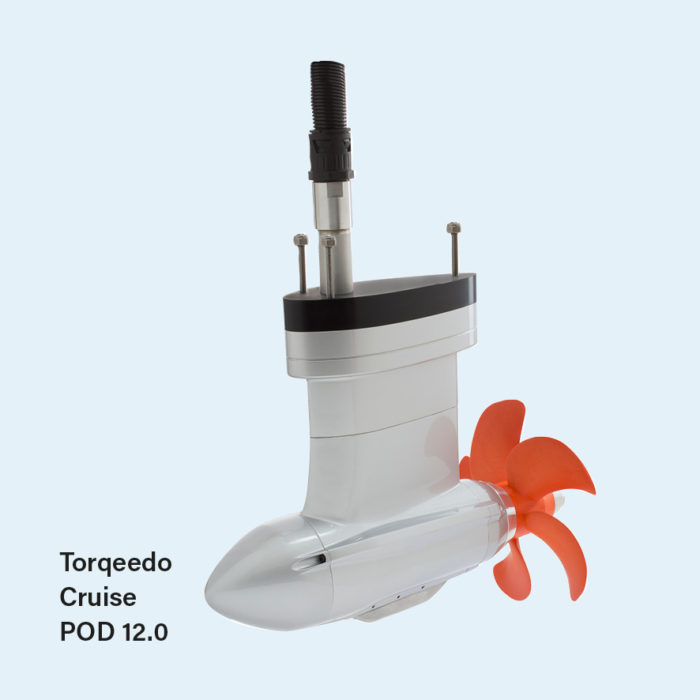
Torqeedo Cruise Pod Motor
£3,299.00 – £8,529.00
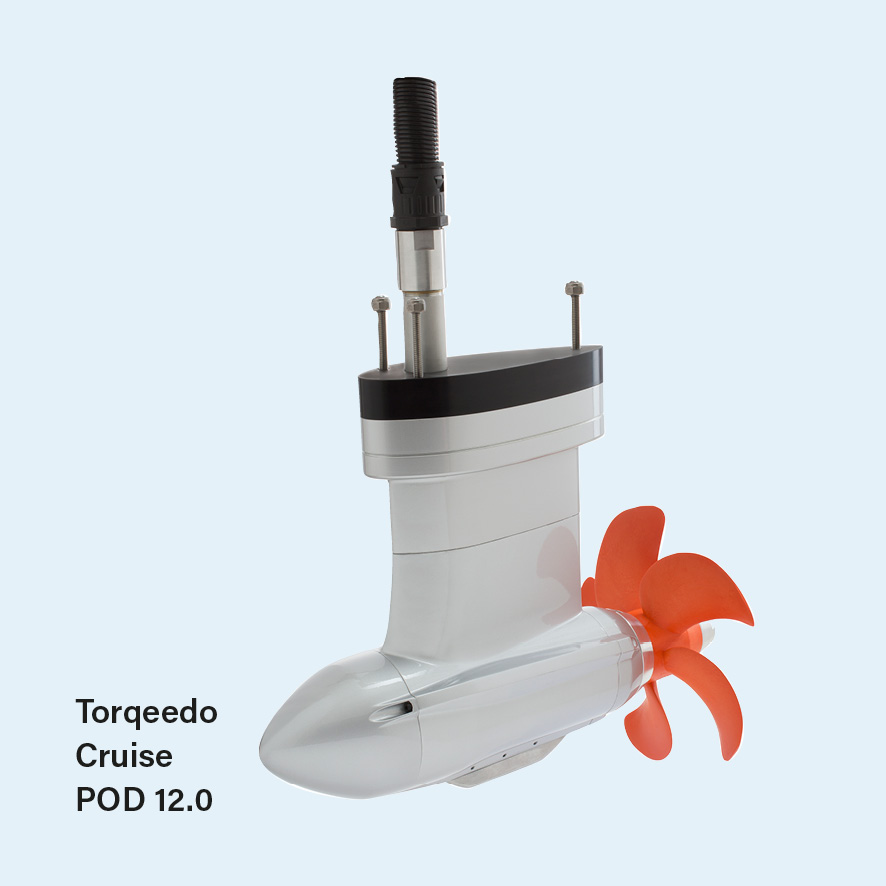
Torqeedo’s Cruise 3, 6 & 12 kW POD motors are effectively the bottom section of a Cruise outboard, with a separate control module, designed for permanent mounting on the bottom of your boat’s hull.

Torqeedo’s POD motor range, updated for 2022, offer high-tech propulsion in the 6-25hp (equivalent) range. Torqeedo have chosen the gearbox route (ie fast spinning motor through reduction gearbox) which makes them notably lightweight and compact. And because Torqeedo pod motors are housed entirely underwater (same as Epropulsion, but not all other makes), in the “pod” at the bottom of the leg, there’s no driveshaft or belt or cooling system.
If you are looking at all the different options it’s important to understand what kind of pod you’re buying, there is still a lot of variety in design.
The main benefits of choosing an electric pod motor – whether it’s for a new boat, or a replacement for an older combustion motor – are quietness, smoothness, zero pollution/smell, and space saving. This last point is not insignificant; with a pod the motor is moved to underneath the boat and it’s unlikely your batteries will take up as much space as a diesel engine and fuel tank. And, with a battery bank that’s sufficient for propulsion you may also find that you can add more in the way of “domestic” electronics such as refrigeration and cooking.
The Torqeedo pod motors all offer “regen” ie the ability to recharge your batteries whilst under sail. Torqeedo pod motors can be used with third party battery and charging systems but there are significant benefits to an integrated one-make system, ie combining your Torqeedo Pod with Torqeedo batteries etc.
How powerful are they?
Taking the definitions of kW (kilowatts) and hp (horsepower) you would calculate that the Cruise 3.0 pod is equal to a 4hp combustion engine, and the Cruise 6.0 to 8hp. BUT… electric motors have much more torque, from very low revs. To utilize that torque they turn relatively large propellers, relatively slowly – and that’s what you want if you’re driving a displacement hull.
AND pod motors don’t have the losses inherent in combustion engine systems. With a pod motor the propeller is vertical, not angled as on shaft drives (so all the thrust is directed horizontally). A saildrive gets around that issue but there are still losses in the drive shaft and right angle gearbox – with this type of pod the motor is underneath the boat, directly in line with the propeller.
Another factor to consider is that the peak power/torque of a combustion engine comes at quite high revs, a peak that many owners never reach because it is so unpleasant to do so (and/or fearing that it will explode!).
As a general rule we’re finding 1kW of electric functions at least as well as 2hp of combustion motor, and often more. For example (whilst it’s not a Torqeedo) we have a 6kW pod on a Sadler 29, that replaced a 20hp diesel – and we find it more than adequate (rarely using more than 3kW in fact).
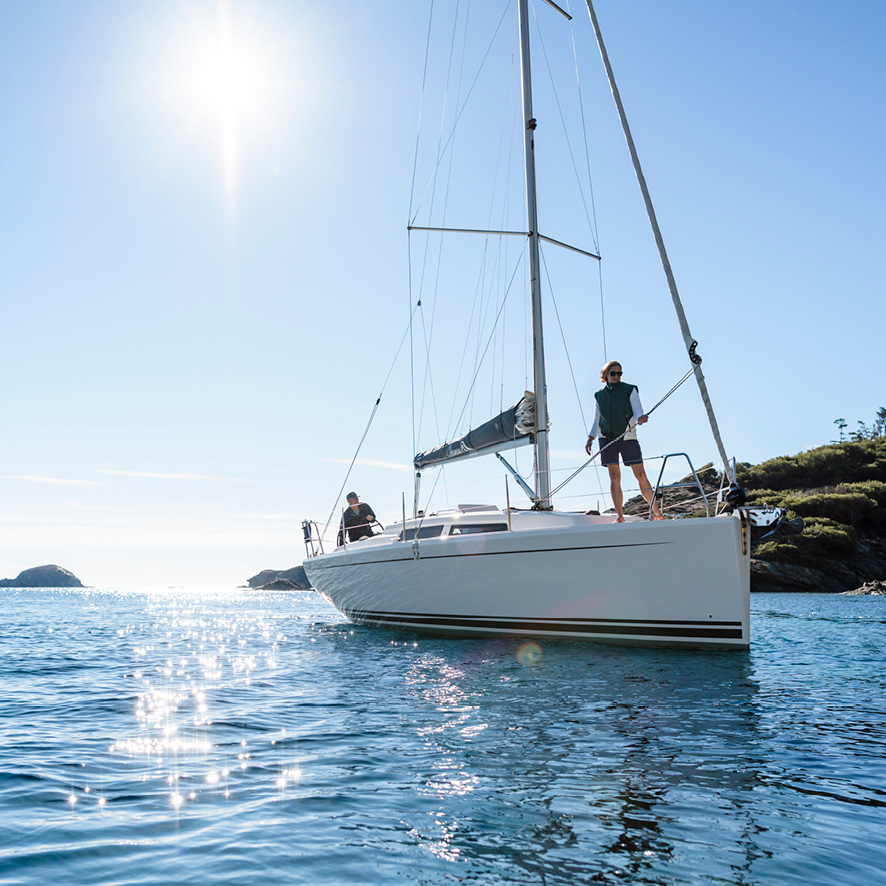
We’ll talk about range in the next section but one other factor to mention if you’re considering re-powering a sailing boat is motorsailing. When the motor isn’t noisy and shaking the boat to pieces, applying a little “electrical assistance” soon becomes very tempting. You actually continue “light airs electric motor sailing” in conditions you’d have given up in with a diesel, and electric motorsailing is very range efficient. With the Sadler we find 150 to 200W enables us to point about 10 degrees higher and a knot or so faster. It’s also very beneficial to apply a little electric power when trying to make progress against a short sharp chop, or short tacking; running an electric pod motor doesn’t intrude on the experience, in fact often seems to improve it.

How far will they go?
It depends entirely on the boat, what batteries you fit, and how fast you want to go.
But as an example, let’s put a Torqeedo 3kW pod with 2x Power 24-3500 batteries (7kWh total capacity) on a typical 25ft sailing yacht (well-informed estimate figures):
- approx. 42 nautical mile range at 3-3.5 knots (it would be more if we went slower)
- or 23nm 5 knots
- or about 14nm at 6 knots
- or 70 hours of light assistance motor sailing
Speed is very costly in terms of range, slowing down by even half a knot has a massively beneficial effect. It’s true with combustion motors too, but generally speaking with batteries you have less capacity (than a fossil fuel tank) and more ability to monitor it (ie detailed information at controller).
Building Your Torqeedo Cruise Pod System
For a complete working system you will need:
- The pod motor.
- Your choice of remote control, top or side mount (see accessories for more detail)
- Your choice of batteries. We usually recommend an absolute minimum bank size equivalent to running the motor for an hour. The Cruise 3.0 pod is a 24V motor so you need one or more of the Torqeedo Power 24-3500 batteries (3.5kWh each). The Cruise 6.0 is a 48V motors so you could use either 2 Power 24-3500 batteries in series, or one or more Power 48-5000 batteries. And the Cruise 6.0 is also 48V, requiring at least two Power 48-5000 batteries. The batteries can be of any type or make, but if you use Torqeedo batteries {link} there will be more detailed and accurate battery information on the remote control display.
- Charger for batteries
How can we help?
We understand there is a lot of information to digest when trying to decide which product is for you. We have a lot of knowledge in this space and would love to help you make an impartial, informed decision.
Email: mail@nestawayboats.com or Phone: 0800 999 2535
Additional Information and Advice


Specifications
Torqeedo Cruise Specification
Cruise 3.0
£3,299
Power - 3kW
Input voltage - 24V
Weight - 12.8kg
Cruise 6.0
£3,979
Power - 6kW
Input voltage - 48V
Weight - 14.7kg
Cruise 12.0
£9,449
Power - 12kW
Input voltage - 48V
Weight - 73.9kg
What you get in the box.
The following items are supplied as standard with Torqeedo pod motors:
- motor
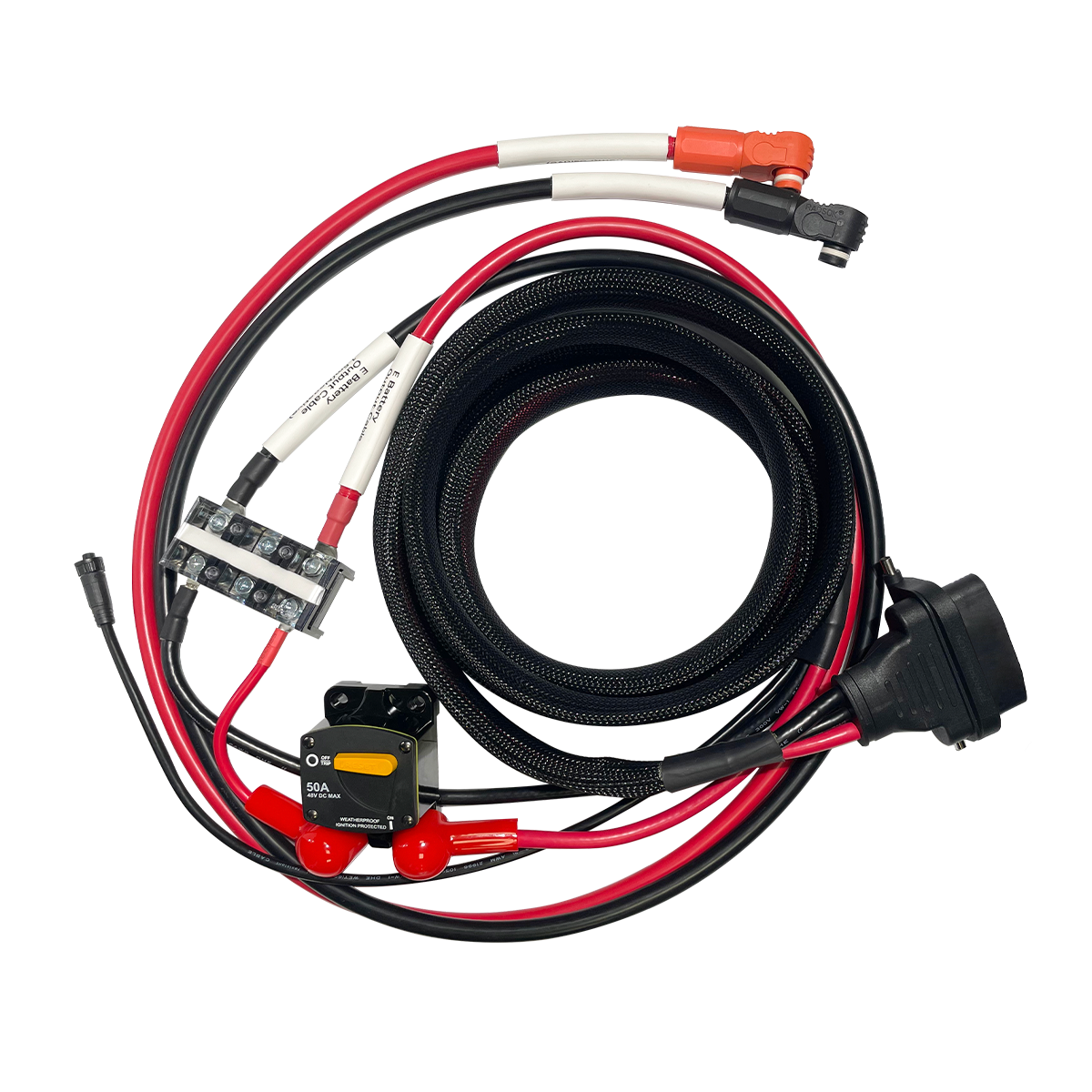
- main power cable (including main switch)
- propeller three-bladed 10.5x12” with Cruise 3 pod, five-bladed 12x13” with Navy 6 pod
*Throttle not included (see accessories).
Technical Drawings / Dimensions
Click below for downloads:
Accessories
Torqeedo Pod Motor Accessories

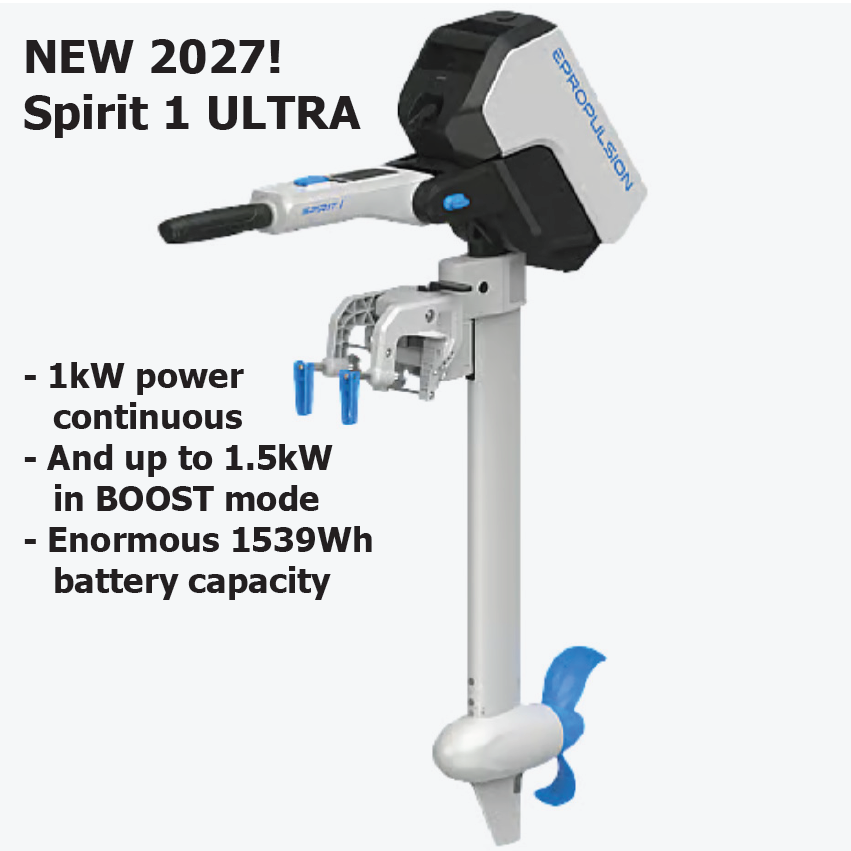
Epropulsion Electric Outboards
NEW! ePropulsion Spirit 1 ULTRA… Portable 1kW Electric Outboard Motor with 1539Wh battery.
£100.00 – £1,995.00



Be the first to review “Torqeedo Cruise Pod Motor”
You must be logged in to post a review.
You may also like…


Reviews
There are no reviews yet.